Aggregates

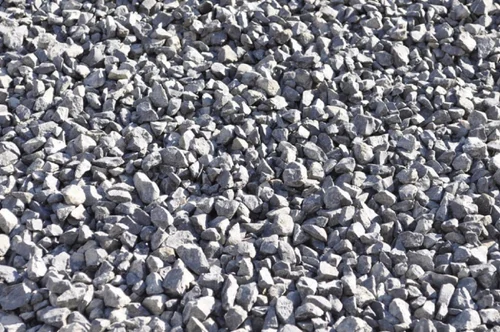
20mm Aggregates Jalli Stone

Quality Considerations for 20 mm Jalli:

Cleanliness: The aggregates should be free from organic materials, clay, silt, and other impurities that can affect the quality of the concrete. These impurities can reduce the bonding strength and overall durability.
Uniformity: Ensure the aggregates are consistently 9 mm in size. Uniformity in size helps achieve a more stable and reliable mix.
Durability:: It should resist weathering and degradation over time to maintain the structural integrity of the concrete.
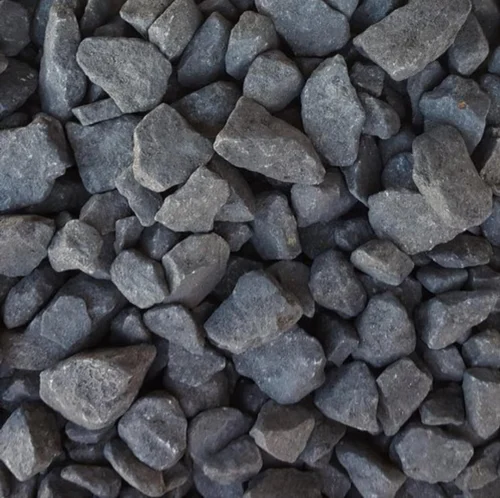
12mm Aggregates Jalli Stone

Size and Shape:

Particle Size: 12 mm Jalli consists of stones that are crushed and screened to a size of approximately 12 millimeters.
Shape: The particles can be angular, cubical, or rounded, depending on the crushing process and source material. Angular particles are preferred for better bonding in concrete.
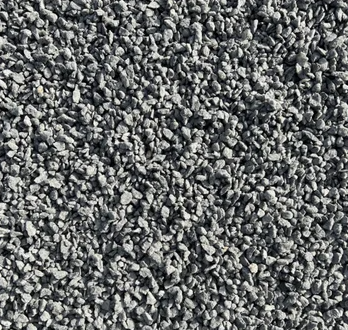
6mm Aggregates Jalli Stone

Characteristics of 6 mm Jalli:

6 mm Jalli is a fine aggregate used for applications requiring a smooth finish and high workability. Its use in concrete, plastering, and landscaping requires careful attention to quality to ensure optimal performance and aesthetic appeal
Shape:The particles can be angular, rounded, or a mix of both, depending on the crushing process. Angular particles are preferred for better bonding in concrete and other mixes.
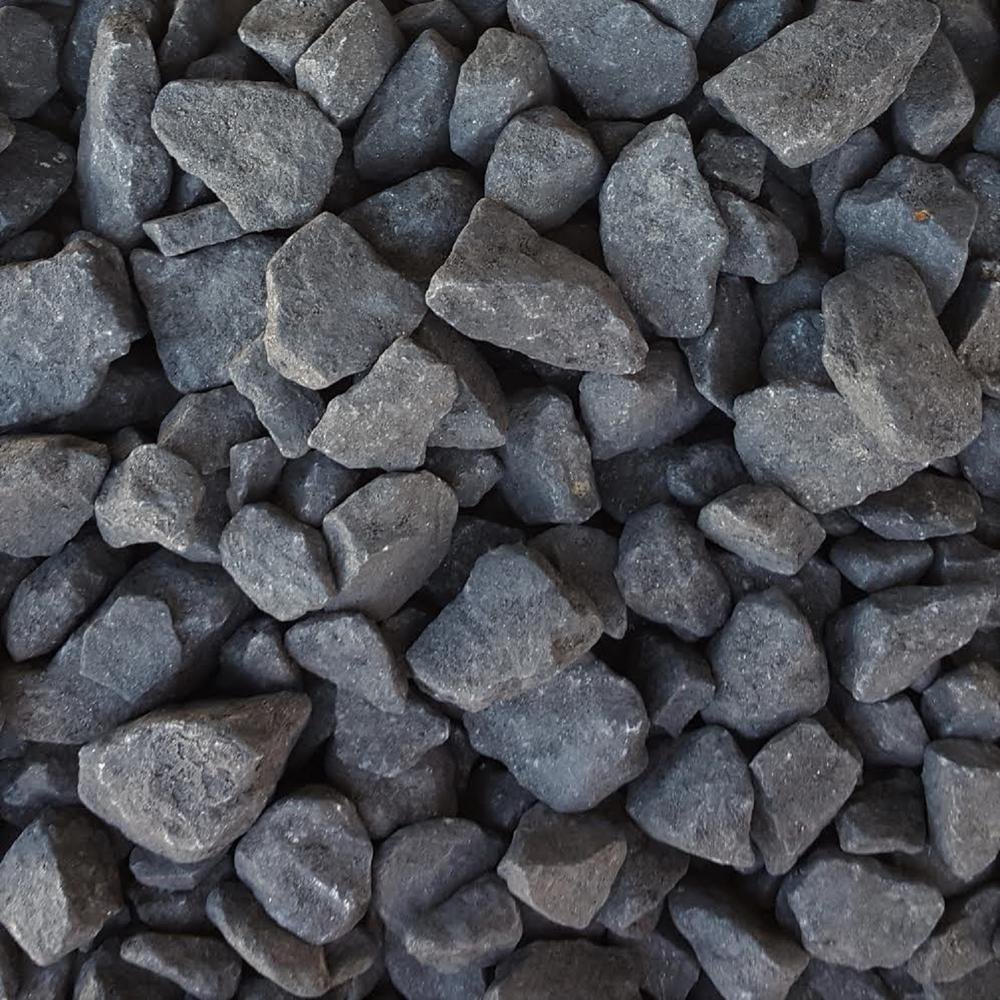
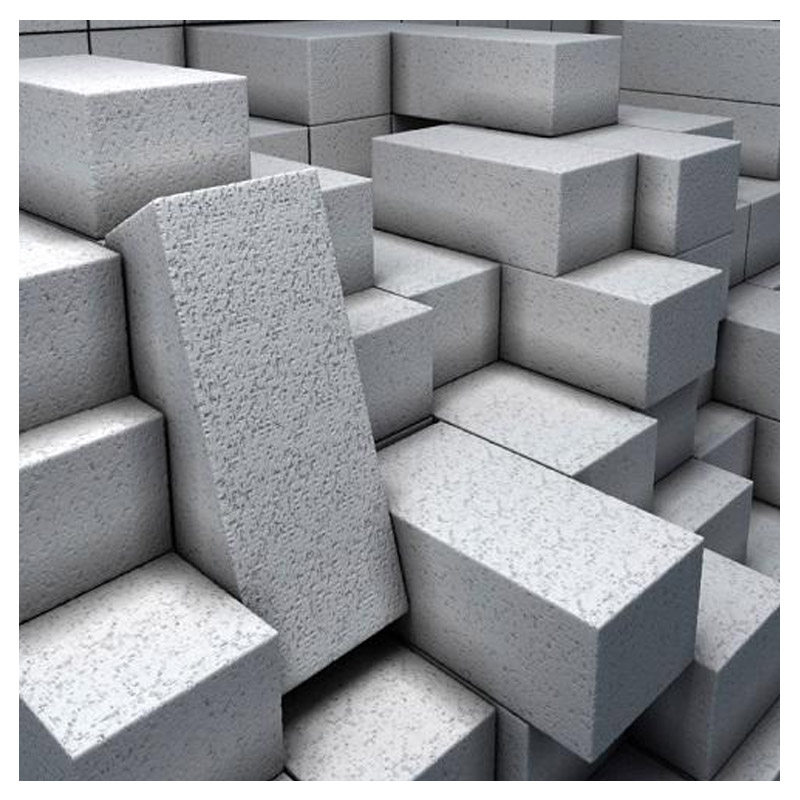
Construction Aggregates 40mm Metal

Size and Gradation::

Uniformity: The aggregates should be consistently 40 mm in size with minimal variations to ensure uniformity in the construction mix.
Gradation: Well-graded aggregates, meaning a mix of different sizes, can improve the packing density and strength of the concrete or asphalt mix. For 40 mm aggregates, ensuring that the larger particles are well-distributed is key. Shape: Angular aggregates are preferred over rounded ones as they interlock better, providing greater strength and stability. Angular shapes help in creating a stronger bond in concrete.
Texture: A rough surface texture is ideal for better adhesion with cement or bitumen in concrete or asphalt mixes.
Compressive Strength: The aggregates should have high compressive strength to ensure they can withstand heavy loads and stresses in construction.

Fly Ash Bricks

Fly Ash Bricks are a type of building material used as an alternative to traditional clay bricks. They are made primarily from fly ash, a byproduct of coal combustion in power plants, along with other materials such as lime, cement, and water.
Compressive Strength:Fly ash bricks should have a high compressive strength, typically measured in MPa (Megapascals). Quality bricks generally have a compressive strength of 3-7 MPa.
Durability: They should resist weathering, moisture, and chemical attacks to ensure long-term performance.
Uniformity: The bricks should be uniform in size and shape to ensure consistent construction quality and ease of handling.
Dimensions: Standard dimensions typically range from 190 x 90 x 90 mm, but custom sizes may also be produced.

Red Brick

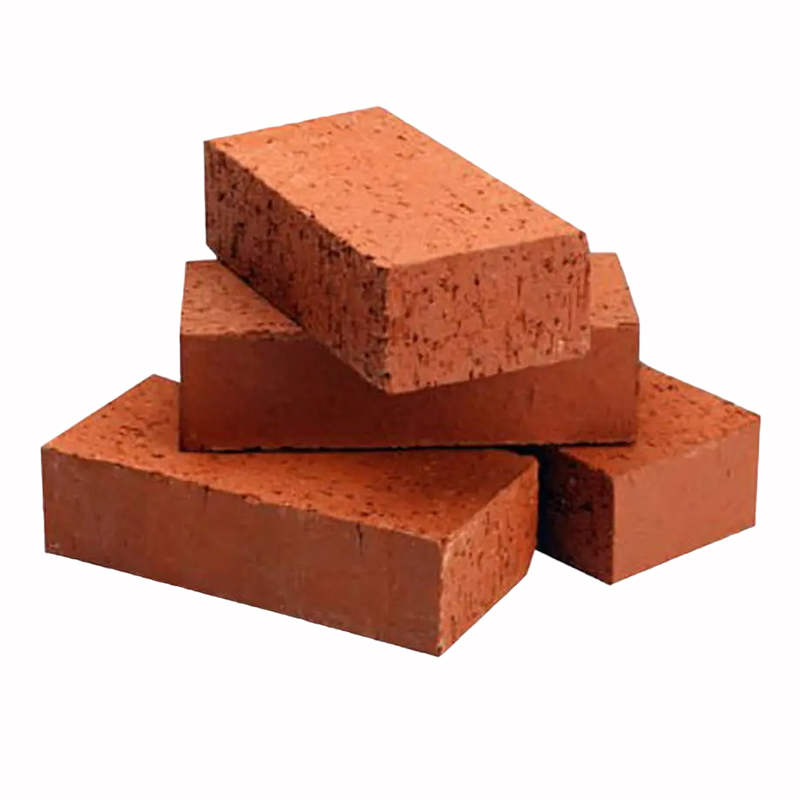
Red Brick is a classic building material known for its durability, strength, and aesthetic appeal. It is commonly used in both residential and commercial construction. Here’s an in-depth look at red bricks.
Size and Shape:Standard red bricks are typically rectangular, with dimensions around 7.5 x 3.5 x 2.25 inches (190 x 90 x 57 mm), but sizes can vary based on regional standards and specific design requirements.
Durability: Red bricks are known for their strength and durability. They are resistant to weathering, fire, and pests, making them a popular choice for both exterior and interior applications.
Uses: Red bricks are commonly used in masonry for constructing walls, pavements, and facades. They are also popular for decorative elements like fireplaces and garden features.
Aesthetic: The warm, earthy tones of red brick can add a timeless and classic look to buildings. It often conveys a sense of solidity and permanence, and can be used in a variety of architectural styles, from traditional to contemporary.

4-inch solid block

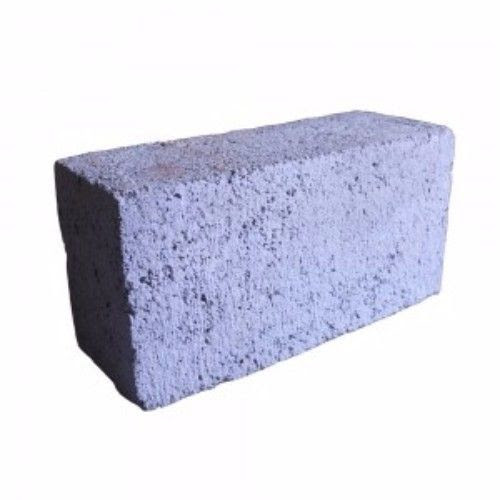
A 4 solid block, often referred to as a "4-inch solid block," is a type of building block used in construction.
Dimensions:The block is typically 4 inches thick. Standard dimensions for solid blocks are approximately 8 inches in width and 4 inches in height (200 x 100 x 100 mm). However, sizes can vary slightly based on regional standards and manufacturer specifications.
Material: Solid blocks are usually made from materials such as concrete, clay, or a combination of aggregates and cement. Concrete blocks are common, and they can be reinforced or non-reinforced depending on their application.
Concrete Blocks: Made from a mixture of cement, sand, gravel, and water. They are cured and hardened through a drying process.
Appearance: Solid blocks have a uniform, dense texture with a solid interior, unlike hollow or cellular blocks that have voids. They are typically rectangular in shape.

6-inch solid block

The 6 solid block is a robust and reliable building material, widely used in various construction applications for its strength, durability, and structural capabilities. It is particularly valued in load-bearing and foundation work, providing a solid and long-lasting solution.
Dimensions:Thickness: 6 inches (150 mm) Width: Typically 8 inches (200 mm) Height: Typically 6 inches (150 mm)
Material: Made from a mixture of cement, sand, gravel, and water. Concrete blocks are cast and cured to develop strength.
Concrete Blocks: Composed of Portland cement, sand, and aggregates. The mixture is poured into molds and cured.
Appearance: Solid blocks are strong and capable of bearing significant loads, making them suitable for structural and load-bearing walls.