Fineness Modulus (FM): MSand should have a fineness modulus typically between 2.5 and 3.0. This ensures a balance between coarse and fine particles.
Gradation: Proper gradation means the sand has a range of particle sizes. An ideal gradation will include fine, medium, and coarse particles to improve concrete workability and strength.

Services
Contact info
-
Our office
A-1, Envanto Headquarters,
Melbourne, Australia. -
Phone
+(00) 999 999 9999
000 000 0000 - Email contact@Bloxic.com
Sand
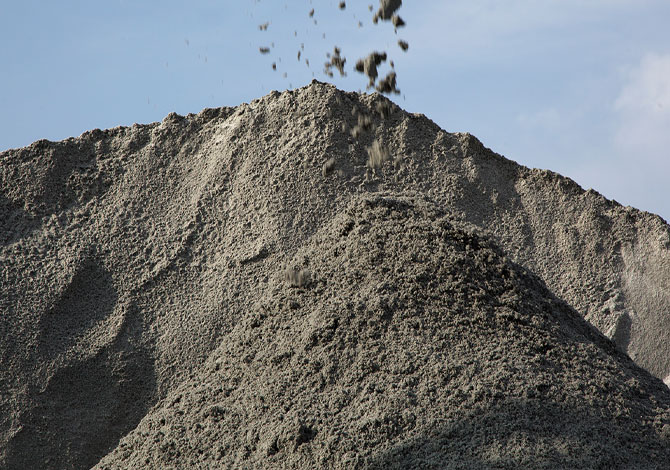
M Sand
Particle Size Distribution:
Shape and Texture:
Particle Shape: MSand grains are usually angular and have a rough texture. This angularity enhances bonding with cement and other aggregates in concrete.
Surface Texture: A rough surface texture increases the interlocking ability of sand particles, which is beneficial for concrete strength and durability.
P Sand
Particle Size Distribution:
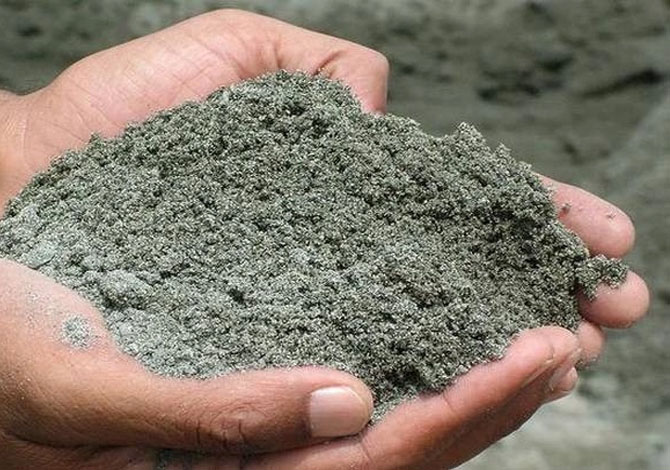
Fineness Modulus (FM): P Sand typically has a finer particle size compared to coarse aggregates or even Manufactured Sand (MSand). The particle size is usually between 0.075 mm and 4.75 mm.
Gradation: It should have a well-graded particle size distribution to ensure smooth application and adhesion in plastering.
Gradation: It should have a well-graded particle size distribution to ensure smooth application and adhesion in plastering.
Shape and Texture:
Particle Shape: The grains of P Sand are generally finer and more rounded compared to other types of sand. A more rounded particle helps in achieving a smoother finish.
Surface Texture: The texture should be relatively smooth to ensure a good spreadability and finish when used in plaster.
Surface Texture: The texture should be relatively smooth to ensure a good spreadability and finish when used in plaster.
Gravel
Size and Gradation:
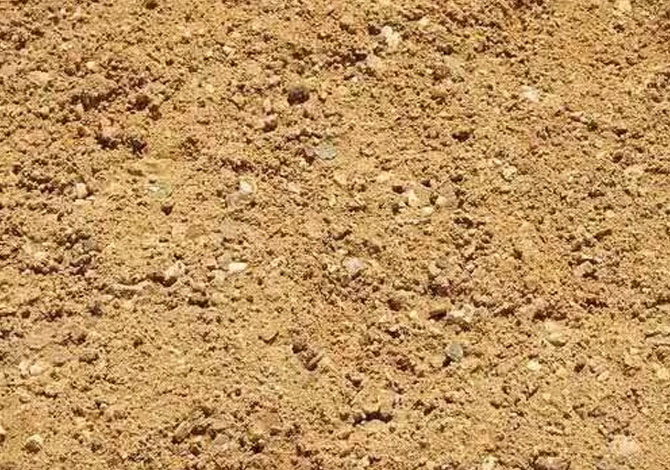
Uniformity: The gravel should have a consistent size range if specific sizing is required. For general purposes, a mix of sizes can be beneficial for filling voids and achieving compaction.
Gradation: Well-graded gravel with a range of sizes can improve the overall stability and compaction. Ensure that the gravel has a balanced mix of fine and coarse particles.
Shape:Angular gravel interlocks better and provides greater stability in construction applications, while rounded gravel is often used for decorative purposes or in applications where smoothness is desirable.
Texture: Rough-textured gravel provides better adhesion in concrete mixes, whereas smooth-textured gravel is more suitable for decorative or drainage applications.
Gradation: Well-graded gravel with a range of sizes can improve the overall stability and compaction. Ensure that the gravel has a balanced mix of fine and coarse particles.
Shape:Angular gravel interlocks better and provides greater stability in construction applications, while rounded gravel is often used for decorative purposes or in applications where smoothness is desirable.
Texture: Rough-textured gravel provides better adhesion in concrete mixes, whereas smooth-textured gravel is more suitable for decorative or drainage applications.
River Sand
Origin: River sand is naturally occurring and is transported and deposited by the action of flowing water in rivers and streams. This process smooths and rounds the sand grains.
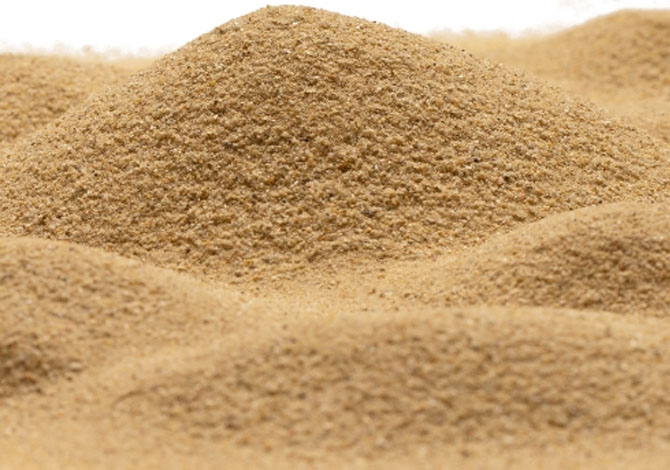
Grain Size: The grains of river sand vary in size but are generally finer and more uniform compared to other types of sand. It typically falls into the medium to coarse sand category, with particle sizes ranging from 0.075 to 4.75 millimeters. Color: The color of river sand can range from light beige to brown or gray, depending on the mineral content and the local geological conditions.
Texture: River sand has a smooth and rounded texture due to the natural weathering and abrasion from water. This makes it ideal for use in construction and concrete, as it improves the workability and cohesiveness of the mixture.
Grain Size: The grains of river sand vary in size but are generally finer and more uniform compared to other types of sand. It typically falls into the medium to coarse sand category, with particle sizes ranging from 0.075 to 4.75 millimeters. Color: The color of river sand can range from light beige to brown or gray, depending on the mineral content and the local geological conditions.
Texture: River sand has a smooth and rounded texture due to the natural weathering and abrasion from water. This makes it ideal for use in construction and concrete, as it improves the workability and cohesiveness of the mixture.